
The climate emergency is no longer a distant forecast: it is a lived reality. Forests are burning, rivers are drying, and extreme weather events are accelerating across continents. At the same time, we are living in an era of unprecedented access to knowledge. Proven solutions exist. Communities are innovating. Leaders are organizing.
So the question is no longer whether solutions exist. It is: What actually works and how do we scale it?
A recent collaborative effort between the Skoll Foundation and the Solutions Insights Lab, an initiative of the Solutions Journalism Network, set out to answer exactly that. The result is a storytelling initiative titled “What’s Working: Insights About Climate Action,” featuring deeply reported accounts of leaders confronting deforestation and advancing Indigenous-led climate solutions around the globe.
From Grief to Grounded Action
Climate discourse is often dominated by fear, urgency, and paralysis. One of the central questions explored in the series is how leaders can transform grief and apathy into meaningful engagement.
Some social entrepreneurs are doing this through embodied connection. Isabel Cavalier and Lina Herrera of Mondo Común facilitate immersive retreats in the Amazon rainforest, creating space for participants to build relational ties to land and community. Others, like Paul Redman of If Not Us Then Who, focus on restorative dialogue — convening conversations between extractive industries and the communities impacted by them, fostering accountability through proximity and humanization.
These approaches move beyond policy papers and carbon metrics. They operate at the level of narrative, relationship, and moral imagination.
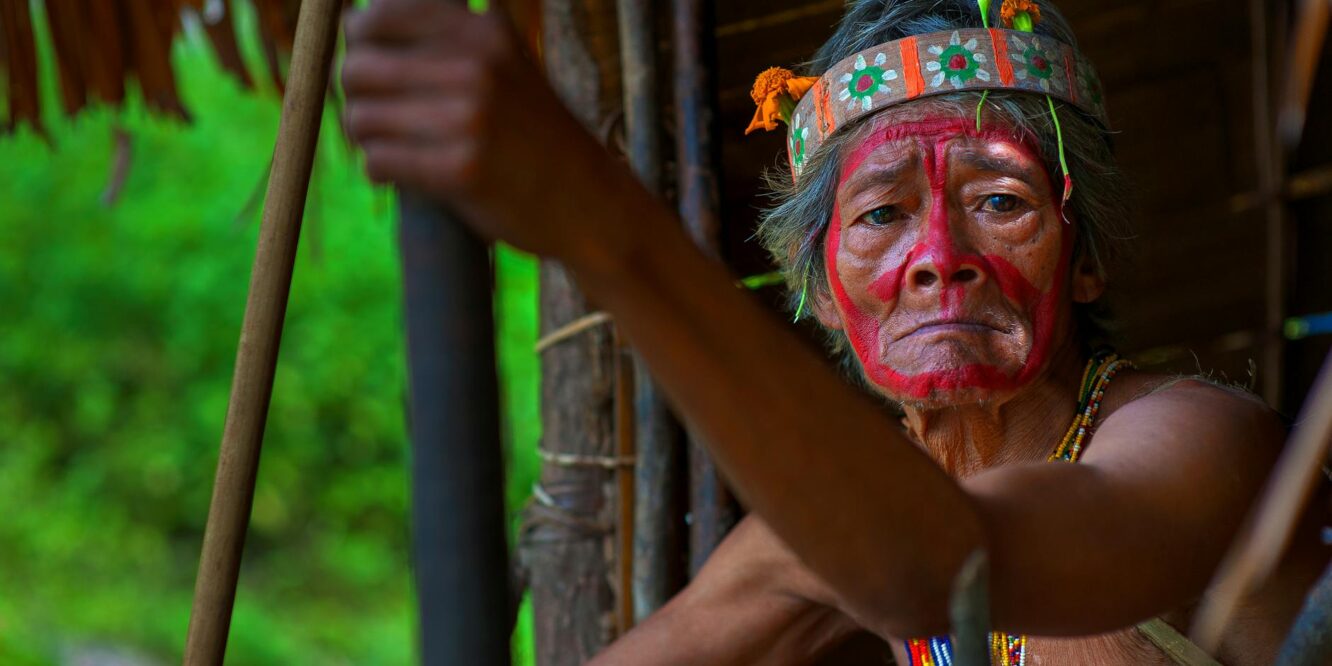
Indigenous Leadership at the Center
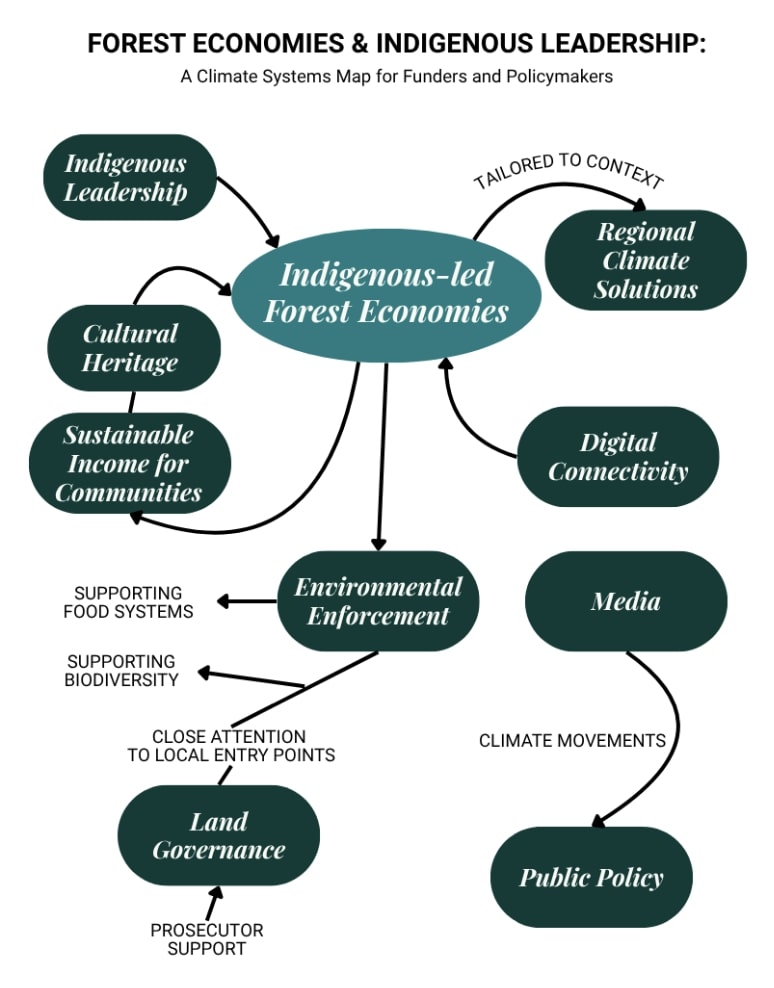
The series highlights seven organizations working within an ecosystem committed to halting deforestation, restoring land tenure, and strengthening forest-based livelihoods. Among them are Conexsus, Tenure Facility, and Koalisi Ekonomi Membumi.
Their shared insight is clear: Indigenous communities are not stakeholders at the margins of climate strategy — they are central actors with generations of ecological knowledge.
The stories explore practical lessons, including:
- Governance structures that sustain collective action
- Funding models that channel resources directly to Indigenous communities
- Strategies to overcome language and cultural barriers across regions
- Methods for building coalitions across politically diverse partners
Rather than presenting simplified success stories, the reporting investigates both enabling conditions and structural obstacles. What emerges is not inspiration alone, but instruction.
Why This Matters Now
With global climate negotiations increasingly spotlighting Indigenous leadership, especially in the lead-up to major international climate summits, the timing of this work is critical. Funders, policymakers, journalists, and movement builders are actively seeking evidence-based pathways that align urgency with effectiveness.
The stories within “What’s Working” provide grounded evidence that protecting forests and securing land rights is not only a justice imperative, it is one of the most effective climate mitigation strategies available.
They also underscore an often-overlooked truth: systemic change requires infrastructure — financial, legal, narrative, and relational. Forest bioeconomies, for example, depend not just on conservation but on market access, supportive regulation, and cross-sector alliances.
A Shared Toolbox for Systemic Change
For social entrepreneurs and climate advocates, this series functions as a practical toolkit. It surfaces replicable insights while honoring contextual nuance. It invites collaboration rather than competition. And it reframes climate action as collective learning rather than isolated heroism.
In a moment defined by escalating risk, what stands out is not just innovation, but interdependence.
If the climate crisis is global, the response must be ecosystemic. By elevating Indigenous wisdom, strengthening collective governance, and designing funding flows that reach the frontlines, leaders are demonstrating that durable climate solutions are already in motion.
The challenge now is to amplify, resource, and replicate what works at the scale and speed the planet demands.
Original source: Skoll Foundation | Photo: Vincent Tan via Pexels